Dental Crowns Explained: When They're Needed and How Smiling Molar Dental Restores Teeth in Plainfield, NJ
Introduction
A damaged or weakened tooth doesn't always need to be removed - often, it needs protection. Dental crowns are one of the most effective ways to restore strength, function, and appearance to compromised teeth, yet many patients in Plainfield, NJ, are unsure when a crown is truly necessary or what the process involves. At Smiling Molar Dental, we believe informed patients feel more confident about their care, which is why we're breaking down everything you need to know about dental crowns in a clear, practical way.
Conveniently located at 1024 Park Ave Suite 6C, Plainfield, NJ 07060, our top-rated dental team proudly serves patients from Plainfield (07060), North Plainfield (07062, 07063), South Plainfield (07080), and Scotch Plains (07076) with restorative solutions designed for long-term oral health.
What Exactly Is a Dental Crown?
A dental crown is a custom-made cap that fully covers a tooth, restoring its shape, strength, and function while protecting it from further damage. Unlike fillings, which repair only a portion of a tooth, crowns reinforce the entire visible surface above the gum line.
Crowns are designed to look and feel like natural teeth, allowing you to chew, speak, and smile with confidence while preventing cracks, fractures, or decay from worsening.
Common Reasons a Tooth May Need a Crown
Dental crowns are not only for severely damaged teeth - they are often recommended when a tooth is at risk of failing without added support.
Crowns are commonly used when:
- A tooth is cracked, fractured, or severely worn
- Large fillings weaken the remaining tooth structure
- A tooth has undergone root canal treatment
- A tooth is broken due to injury or trauma
- A tooth needs cosmetic improvement in shape or color
In many cases, placing a crown early can prevent the need for extraction or more complex procedures later.
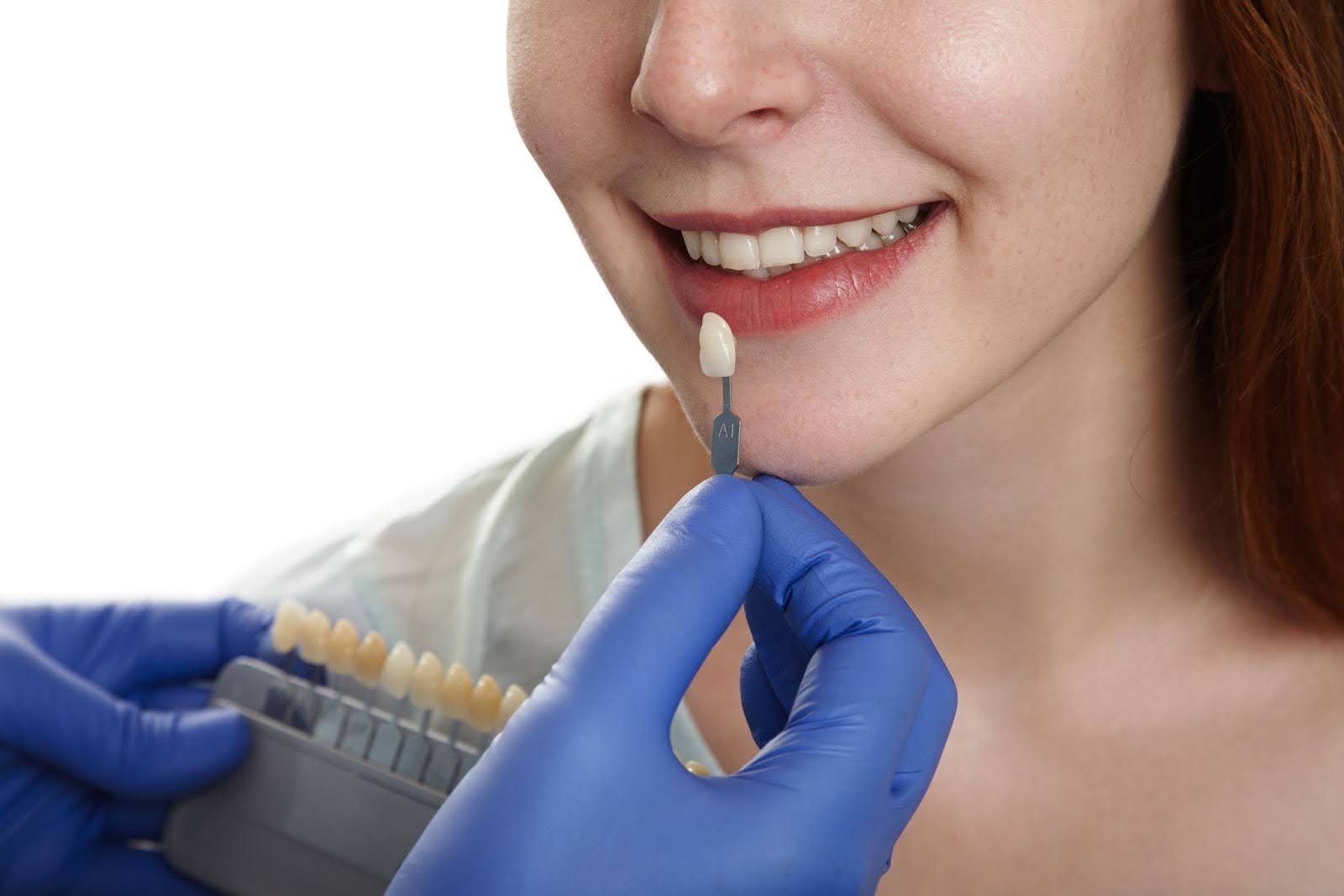
How Delaying a Crown Can Lead to Bigger Problems
Some patients put off crown treatment because the tooth isn't painful yet, but weakened teeth rarely heal on their own. Over time, pressure from chewing can cause cracks to spread, allowing bacteria to reach deeper layers of the tooth.
Delaying treatment may result in:
- Sudden tooth fractures
- Increased sensitivity or pain
- Infection requiring root canal therapy
- Tooth loss requiring replacement
Crowns are often a preventive solution, protecting teeth before damage becomes irreversible.
Types of Dental Crowns and How They Differ
Dental crowns come in several materials, each with specific benefits depending on location, function, and aesthetic goals.
Common crown options include:
- Porcelain or ceramic crowns for natural appearance
- Porcelain-fused-to-metal crowns for strength and aesthetics
- Metal crowns for durability in back teeth
- Zirconia crowns for a balance of strength and beauty
At Smiling Molar Dental, we help patients choose the best option based on their bite, lifestyle, and long-term needs.
What to Expect During the Dental Crown Process
Getting a dental crown is a structured, patient-focused process designed to ensure comfort and accuracy. The first step involves preparing the tooth by removing damaged areas and shaping it to support the crown.
After preparation:
- Impressions are taken to ensure a precise fit
- A temporary crown protects the tooth
- The final crown is custom-crafted
- The permanent crown is securely placed and adjusted
The result is a restored tooth that blends seamlessly with your natural smile.
How Dental Crowns Restore More Than Just Appearance
While crowns certainly improve how a tooth looks, their benefits go far beyond cosmetics. Crowns restore chewing efficiency, protect sensitive areas, and help maintain proper bite alignment.
Patients often notice:
- Improved comfort when chewing
- Reduced sensitivity to hot and cold
- Better bite balance
- Increased confidence when smiling or speaking
A well-made crown functions like a natural tooth and supports overall oral stability.
Caring for Your Dental Crown Long-Term
Dental crowns are durable, but like natural teeth, they require consistent care. Proper hygiene and routine dental visits help crowns last many years.
Best practices include:
- Brushing twice daily with fluoride toothpaste
- Flossing carefully around the crown
- Avoiding chewing ice or hard objects
- Wearing a nightguard if you grind your teeth
- Scheduling regular dental checkups
With good care, crowns can provide reliable protection for a decade or longer.
Why Choosing the Right Dentist for Crowns Matters
The success of a dental crown depends heavily on precision, materials, and the dentist's experience. Poorly fitted crowns can cause discomfort, bite issues, or gum irritation.
Patients choose Smiling Molar Dental because we focus on:
- Detailed evaluations and planning
- High-quality materials
- Natural-looking results
- Clear communication at every step
Our goal is to restore teeth in a way that feels comfortable and lasts.
Serving Plainfield and Surrounding Communities With Restorative Care
If you're looking for a top dentist in Plainfield, NJ for dental crowns, our team is here to help. We proudly serve patients from Plainfield, North Plainfield, South Plainfield, and Scotch Plains, offering restorative solutions tailored to each individual smile.
Dental crowns are not just about fixing teeth - they're about preserving your ability to eat comfortably, smile confidently, and avoid future dental complications.
A Stronger Smile Starts With the Right Protection
Teeth that are damaged, weakened, or worn don't have to be lost. Dental crowns provide a reliable way to restore strength and function while protecting your oral health for years to come. At Smiling Molar Dental, we're committed to delivering some of the best restorative dental care in Plainfield, NJ, helping patients protect their smiles with confidence.
FAQs
If a tooth is weakened, cracked, or heavily filled, a crown may be recommended to prevent future breakage.
Modern crowns are designed to match natural teeth closely, making them difficult to distinguish.
The procedure is typically comfortable, with local anesthesia used to minimize discomfort.
With proper care, dental crowns can last 10–15 years or longer.
Yes, the natural tooth under the crown can still decay if oral hygiene is neglected.

