Mouth Breathing in Kids: The Overlooked Dental Issue Many Plainfield, NJ Parents Don't Know About | Smiling Molar Dental
Introduction
Parents in Plainfield, NJ often focus on brushing routines, regular dental visits, and limiting sugary snacks to protect their child's smile - but one important issue frequently goes unnoticed: mouth breathing. This everyday habit can quietly influence how a child's teeth, jaw, and face develop, while also affecting sleep quality, focus, and overall well-being. When mouth breathing becomes chronic, it is no longer just a habit - it can become a hidden dental and developmental concern.
At Smiling Molar Dental, we help families recognize the early signs of mouth breathing and understand how it can impact a child's oral health over time. With the right awareness and timely guidance, parents can take proactive steps to support healthier growth and long-term dental outcomes.
What Is Mouth Breathing and Why Does It Matter?
Mouth breathing occurs when a child consistently breathes through the mouth instead of the nose, both during the day and at night. Occasional mouth breathing during illness is normal, but when it becomes habitual, it can interfere with healthy growth and development.
Nasal breathing supports:
- Proper tongue posture against the roof of the mouth
- Balanced jaw and facial development
- Healthy airway function
- Better oxygen intake during sleep
When these natural processes are disrupted by chronic mouth breathing, the effects can gradually appear in a child's smile, sleep, and overall health.
Why Mouth Breathing Often Goes Undetected
Because mouth breathing usually doesn't cause immediate pain, it is easy for families to overlook. Children adapt to the habit, and symptoms often appear subtle rather than dramatic.
Common signs parents may notice include:
- Sleeping with the mouth open
- Snoring on a regular basis
- Dry lips or dry mouth in the morning
- Dark circles under the eyes
- Ongoing fatigue despite adequate sleep
- Difficulty focusing during school hours
When several of these signs appear together, it's worth discussing them with your child's dentist.
How Mouth Breathing Affects Dental Development
The way a child breathes plays a significant role in how their teeth and jaws grow. Proper tongue position helps the upper jaw develop wide enough to support healthy spacing for adult teeth. With mouth breathing, the tongue often rests low, which can alter this natural growth pattern.
Over time, this can lead to:
- Crowded or crooked teeth
- Narrow dental arches
- Bite issues such as open bite or overbite
- Greater likelihood of orthodontic treatment
- Changes in overall facial development
These changes occur slowly, which is why early awareness and monitoring are so important.
The Impact of Mouth Breathing on Sleep and Behavior
Healthy sleep supports a child's emotional regulation, learning ability, and physical growth. Children who chronically mouth breathe at night may not reach deep, restorative sleep consistently.
Parents may observe:
- Restless sleeping patterns
- Frequent nighttime waking
- Morning irritability
- Difficulty concentrating during the day
- Hyperactivity or emotional sensitivity
These challenges are often mistaken for behavioral concerns when airway-related sleep disruption may be contributing.
Why Mouth Breathing Can Increase Cavity Risk
Saliva protects teeth by neutralizing acids and washing away harmful bacteria. Mouth breathing dries the oral tissues and reduces saliva flow, creating an environment where bacteria can thrive more easily.
Children who frequently mouth breathe may experience:
- Increased risk of cavities
- More plaque buildup
- Gum irritation
- Persistent bad breath
Improving breathing habits can support not only development but also everyday oral health.
Common Causes of Mouth Breathing in Children
Mouth breathing is usually a symptom of something else rather than the root issue itself. Identifying contributing factors helps guide the next steps.
Possible causes include:
- Enlarged tonsils or adenoids
- Chronic nasal congestion
- Allergies
- Deviated septum
- Tongue-tie or restricted oral tissues
- Habitual breathing patterns developed early
Each child is different, which is why individualized evaluation matters.
How Dentists Can Help Identify the Issue Early
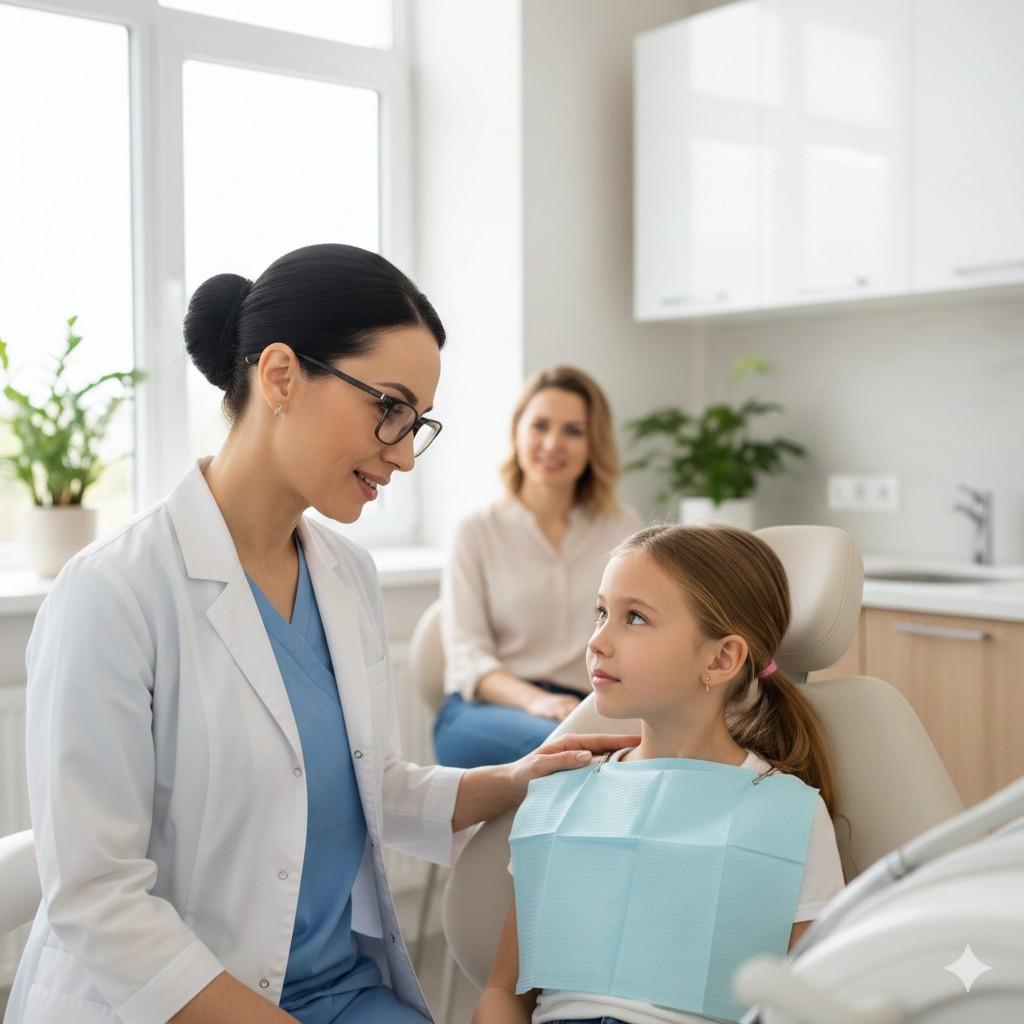
Pediatric dental visits are about more than checking for cavities. Dentists are trained to observe patterns in growth, posture, and development that may indicate airway-related concerns.
During evaluations, we may assess:
- Jaw development and spacing of teeth
- Tongue posture and movement
- Bite alignment
- Signs of dry mouth or inflammation
- Facial growth patterns
At Smiling Molar Dental, we focus on the bigger picture of your child's development, not just their teeth.
Why Early Intervention Makes a Real Difference
Children are still growing, which means their bodies are more adaptable to positive changes. Addressing mouth breathing early can lead to better long-term outcomes.
Early attention may help:
- Guide healthier jaw growth
- Support proper bite development
- Improve sleep quality
- Reduce the need for extensive orthodontics later
- Enhance comfort, confidence, and overall wellness
Waiting until adolescence or adulthood often limits available options.
What Parents in Plainfield Can Do If They're Concerned
Parents don't need to self-diagnose - simply noticing patterns is the first step. If your child consistently snores, sleeps with an open mouth, wakes up tired, or shows signs of crowding teeth early, it's worth bringing up during their dental visit.
At Smiling Molar Dental, we encourage open conversations and provide guidance in a supportive, pressure-free environment. Our role is to educate and empower families so they can make informed decisions for their child's health.
Why Families Trust Smiling Molar Dental for Pediatric-Focused Care
Families from Plainfield (07060), North Plainfield (07062, 07063), South Plainfield (07080), and Scotch Plains (07076) choose Smiling Molar Dental because we emphasize prevention, education, and personalized care.
Parents appreciate our:
- Gentle, child-friendly approach
- Clear explanations and transparency
- Focus on long-term development
- Commitment to being among the best family dental care providers in Plainfield, NJ
Our convenient location at 1024 Park Ave Suite 6C, Plainfield, NJ 07060 allows easy access to top-quality dental care for nearby communities.
A Small Habit That Can Shape Long-Term Health
Mouth breathing may seem minor, but its long-term impact on dental development, sleep, and overall well-being can be significant. Awareness is the first step, and early guidance can make a meaningful difference.
If you're looking for a top dentist in Plainfield, NJ who looks beyond cavities and supports your child's whole development, Smiling Molar Dental is here to support your family with thoughtful, compassionate care.
FAQs
Occasional mouth breathing is normal, but chronic mouth breathing can affect dental development, sleep quality, and facial growth over time.
Yes, long-term mouth breathing can influence jaw development and contribute to crowding and bite problems.
Open-mouth sleeping, snoring, dry lips in the morning, and restless sleep are common indicators.
Yes, breathing habits are an important part of preventive dental and developmental care.
Early identification allows for timely guidance that can support healthier growth and minimize long-term complications.

