How to Get Professional Teeth Whitening in Plainfield, NJ | Smiling Molar Dental
Quick Answer: Yes, professional teeth whitening in Plainfield, NJ is available through Smiling Molar Dental, which offers both in-office bleaching and custom take-home trays as part of its cosmetic dentistry services. Both use stronger, dentist-supervised bleaching agents than anything sold over the counter, and both are safe once your teeth and gums are checked first. Most patients see noticeably whiter teeth within one to two weeks.
If you've tried whitening strips or a whitening toothpaste and the results faded fast - or never really showed up - you're not imagining it. Store-shelf products are formulated to be safe without supervision, which usually means they're diluted enough to work slowly, if at all. A cosmetic dentist can offer something stronger, customized to your teeth, and checked for safety before you start. That's the gap most people searching for a "cosmetic dentist for whitening" are actually trying to close.
Why Store-Shelf Whitening Plateaus
If a whitening strip or whitening toothpaste faded fast - or never really moved the needle - that's not a fluke. Over-the-counter products are formulated to be safe without a checkup, which means the bleaching agent is diluted enough to work slowly, if at all. A dentist can use a stronger concentration precisely because your teeth and gums have already been checked and the process is supervised. That gap - between what's safe to sell on a shelf and what's safe under supervision - is what most people searching for a cosmetic dentist for whitening are actually trying to close.
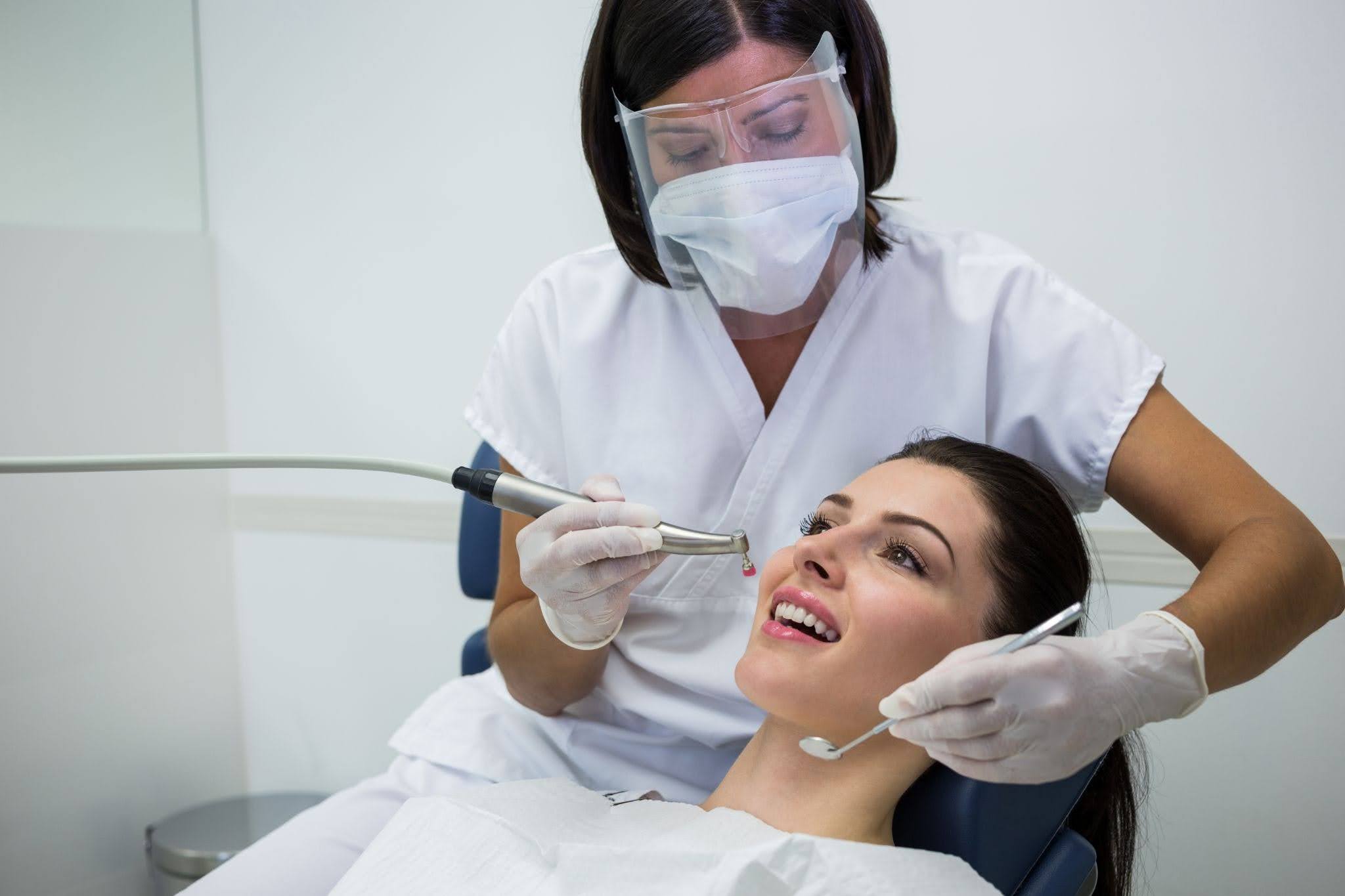
What Professional Whitening Changes
Store-bought products stay at a low concentration so they're safe for anyone, checkup or not. A dentist can go stronger, and the ADA's consumer whitening guide confirms why: in-office bleaching applies a stronger gel directly, while dentist-supervised at-home trays use a lower concentration over a longer stretch - both calibrated in ways a drugstore strip isn't.
At Smiling Molar Dental, whitening starts with identifying what's actually causing the discoloration. Surface stains from coffee, tea, or wine respond well to bleaching. Deeper, yellowish staining from aging or certain medications often responds too, sometimes more slowly. Gray or purplish staining from old trauma or a dead tooth usually doesn't respond to bleaching at all - worth knowing before spending money on something that was never going to work for that particular stain.
Picking a Route: In-Office or Take-Home
Both get you a genuinely whiter smile - the right one depends on timeline and how hands-on you want to be.
- In-office (chairside) bleaching happens in a single visit. Gums are protected, a professional-strength gel is applied, and you leave the same day visibly whiter - the choice for an event coming up (a wedding, a reunion, headshots) with no time to wait weeks.
- Custom take-home trays are molded to fit your teeth exactly, paired with a dentist-grade gel applied at home over one to two weeks. Results build gradually and tend to last a bit longer since the process is more controlled, and many patients keep the trays for touch-ups later.
Neither is universally "better" - it's a trade-off between speed and control. For patients weighing whitening against other changes, cosmetic dentistry services covers how whitening pairs with veneers or bonding for a fuller smile makeover.
Checking Candidacy First
Most adults with healthy teeth and gums are candidates. A few things get checked before starting:
- Cavities or gum disease - treated first, since bleach on an unhealthy tooth can cause pain
- Existing crowns, veneers, or fillings - these don't whiten, so a dentist talks through keeping the smile looking even
- Tooth sensitivity - usually manageable with the right gel concentration and timing
- Pregnancy - most dentists recommend waiting, out of caution rather than known risk
None of these rule whitening out entirely - they just shape which option and timeline makes sense, which is the real value of doing this with a dentist instead of guessing with a product off a shelf.
What a Whitening Visit Looks Like
A whitening visit at the Plainfield office starts with a quick exam to rule out anything that needs attention first. From there, the conversation turns to goals - subtle brightening or a noticeably whiter smile - and lands on in-office treatment, take-home trays, or a combination. Mild, temporary sensitivity to cold for a day or two afterward is common and typically resolves on its own.
Results vary by starting shade and stain type, but most patients notice several shades of difference. Whitening isnt permanent - coffee, tea, red wine, and tobacco gradually bring color back over months to a year or two - but touch-up trays make maintaining results simple.
Ready to Book?
Find out which whitening option fits your smile and your schedule. Schedule a whitening consultation with Smiling Molar Dental in Plainfield, NJ - or call the office to get started.
Frequently Asked Questions
Most patients keep their results for six months to two years, depending on diet and habits. Coffee, tea, red wine, and smoking all speed up how quickly stains return. Touch-up trays can extend results significantly.
It shouldn't cause real pain, but temporary sensitivity to cold is common for a day or two, especially with in-office bleaching. It typically fades on its own and can be managed with a sensitivity toothpaste beforehand.
Bleaching only works on natural enamel - crowns, veneers, and bonding won't change color. If visible restorations are part of your smile, we'll talk through options so it whitens evenly rather than unevenly.
Neither is universally better - in-office bleaching gives faster, same-day results, while take-home trays work more gradually but let you control the process yourself. It comes down to timeline and preference.
Professional whitening costs more upfront than a drugstore kit, but it uses a stronger, dentist-supervised gel customized to your teeth, which usually means better and longer-lasting results for the money.
Not always. Surface stains from food, drinks, and aging usually respond well. Gray or purplish staining from old trauma or a dead tooth often doesn't respond to bleaching and may need a different cosmetic approach, like a veneer.

