Top Signs You May Need a Tooth Extraction in Plainfield, NJ | Expert Tips from Smiling Molar
Introduction
Tooth extractions sound scary, right? But the truth is, sometimes removing a tooth is the safest and healthiest option. Whether it's due to decay, infection, or overcrowding, recognizing early signs can save you from severe pain and expensive dental treatments later on. If you're in Plainfield or nearby areas, Smiling Molar, located at 1024 Park Ave Suite 6C, Plainfield, NJ 07060, offers expert, gentle, and comfortable tooth extractions.
Below, you'll find a clear, easy-to-read guide covering the top signs you may need a tooth extraction, along with helpful tips, explanations, and a mix of bullet points and detailed sections - just as requested.
1. Persistent Tooth Pain That Doesn't Go Away
A toothache is often the first and loudest warning that something is wrong. But not all toothaches require an extraction. You should consider the possibility when:
- The pain is constant or throbbing
- Pain spreads to the jaw, ear, or neck
- Over-the-counter pain relievers don't help
- Pain worsens when you chew or bite
Why it matters:
Persistent pain usually means the inner pulp of the tooth is infected. If the infection is too severe for a filling or root canal, extraction becomes the safest option. Ignoring the pain can lead to an abscess, swelling, and even infection spreading to other parts of your body.
2. Severe Tooth Decay That Can't Be Restored
Sometimes decay progresses so deeply that even advanced restorative treatments cannot save the tooth.
When decay requires extraction:
- When 70–80% of the tooth structure is destroyed
- When the cavity reaches the root and causes nerve death
- When the tooth is too weak to hold a crown
Why extraction may be recommended:
Leaving severely decayed teeth untreated increases the risk of infection, bad breath, bone loss, and damage to surrounding healthy teeth.
3. Gum Disease Leading to Loose Teeth
Gum disease (periodontitis) doesn't just affect gums - it destroys the bone that holds your teeth in place.
Signs that gum disease is causing tooth instability:
- Teeth feel loose
- Receding gums
- Persistent bad breath
- Pus around the gums
- Bleeding while brushing or flossing
Why extraction may be needed:
Once bone loss is advanced, the tooth becomes unstable. Extraction prevents the infection from spreading and allows proper treatment of the surrounding tissues.
4. A Cracked or Broken Tooth Below the Gumline
Surface cracks can often be repaired - but when the break extends below the gumline, things get serious.
Common causes of deep tooth fractures:
- Biting hard foods
- Sports injuries
- Grinding or clenching
- Old, large fillings weakening the tooth
Why extraction becomes the only choice:
Below-gumline fractures cannot be accessed or repaired. These cracks expose the root and nerve, causing severe pain and infection risk.
5. Impacted or Painful Wisdom Teeth
Wisdom teeth are notorious for causing dental problems, especially when they don't erupt properly.
Signs you may need wisdom tooth extraction:
- Jaw stiffness or swelling
- Pain at the back of the mouth
- Gums irritated behind your molars
- Repeated infections around the wisdom tooth
- Crowd shifting of surrounding teeth
Why removing an impacted wisdom tooth is important:
Impacted teeth push against other teeth, lead to infection, and often cause chronic pain. Extracting them early prevents long-term dental complications.
6. Swelling, Abscess, or Infection Around a Tooth
Swelling is usually a red flag that something is seriously wrong.
You may notice:
- Swollen gums
- A swollen jaw or cheek
- Fever
- Bad taste in the mouth
Why this can't wait:
A dental abscess is a pocket of pus caused by bacteria. Without treatment, infection can spread to the bloodstream. If a tooth is the source, extraction may be necessary to stop the infection immediately.
7. Overcrowded Teeth or Orthodontic Needs
Sometimes extractions are performed not because a tooth is damaged, but because there isn't enough room in your mouth.
You may need extractions for:
- Preparing for braces
- Creating room for proper alignment
- Preventing teeth from shifting
Why it's recommended:
Removing a tooth can give your smile the space it needs for effective orthodontic treatment.
8. Tooth Is Extremely Loose or Moving
A slightly loose tooth may be salvageable. But a tooth that moves a lot when touched often indicates advanced bone loss or trauma.
Causes include:
- Periodontal disease
- Accidents
- Severe clenching or grinding
Why extraction may be needed:
A loose tooth is vulnerable to infection and further damage. Extraction helps maintain overall oral health.
What to Expect During a Tooth Extraction at Smiling Molar
If you're worried about the process - don't be. Modern dentistry makes tooth extraction quick, comfortable, and stress-free.
Your visit will typically include:
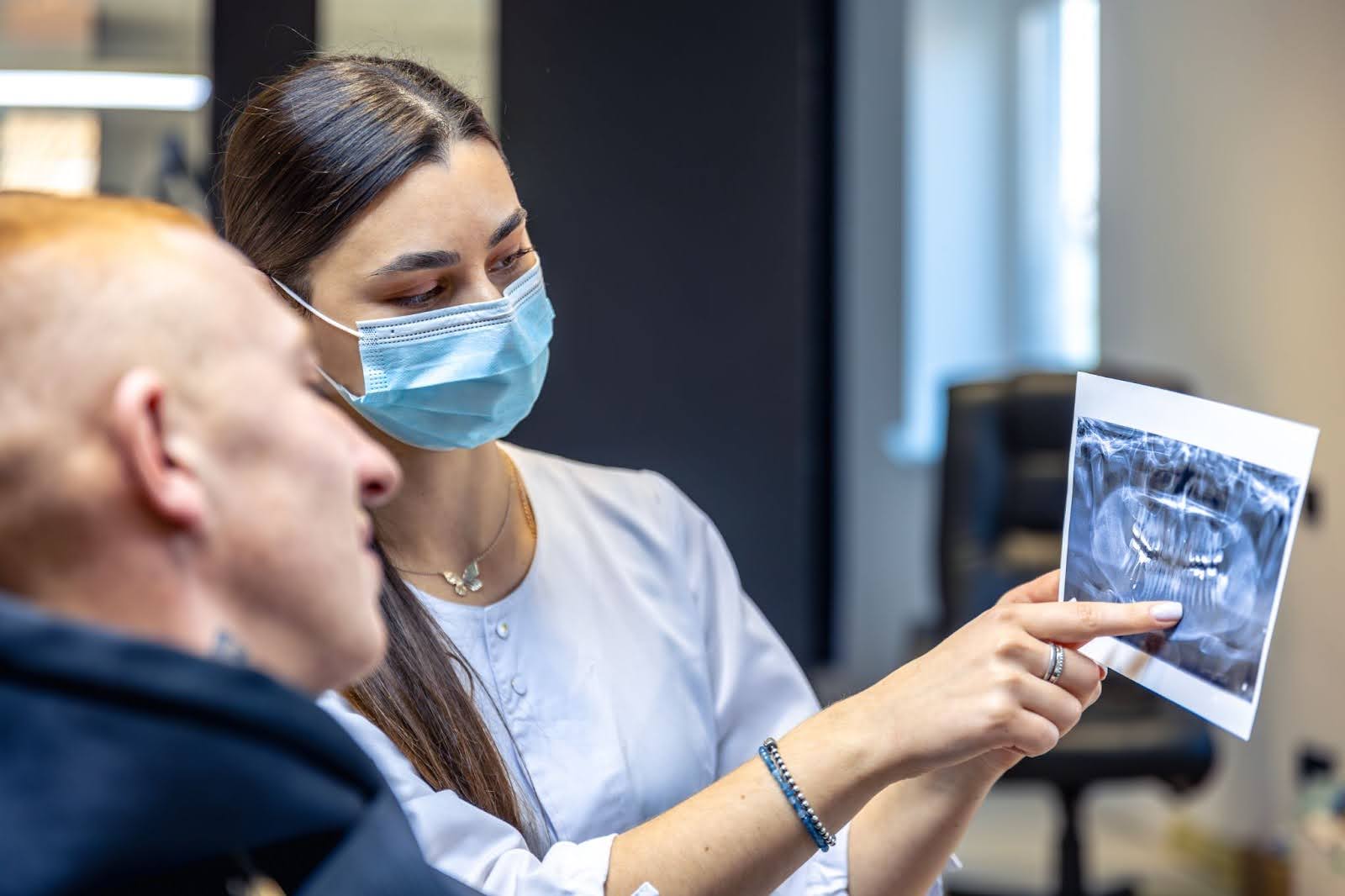
- A full examination & digital X-rays
- Local anesthesia for a pain-free experience
- A simple extraction (for visible, above-gum teeth)
- A surgical extraction (for impacted or broken teeth)
- Clear aftercare instructions for smooth healing
Aftercare Tips:
- Bite gently on gauze to stop bleeding
- Avoid straws, smoking, or alcohol
- Eat soft foods for 1–2 days
- Apply ice to reduce swelling
Areas Smiling Molar Proudly Serves
Patients come to Smiling Molar from across the region, including:
With skilled dentists and advanced technology, families trust Smiling Molar for safe, gentle tooth extractions.
Conclusion
A tooth extraction might not sound pleasant, but sometimes it's the best option for your long-term oral health. Whether you're experiencing pain, swelling, infection, or structural damage, recognizing the signs early helps prevent complications. Smiling Molar offers compassionate, expert care for patients throughout Plainfield and surrounding areas. If you notice any of the symptoms mentioned above, scheduling a consultation could save your smile - and your comfort.
FAQs
A dentist will evaluate X-rays and symptoms to determine whether the tooth can be saved or should be removed.
No, local anesthesia ensures you remain comfortable during the extraction.
Most patients recover in 3–7 days, depending on the complexity of the extraction.
No, antibiotics control infection but don't fix structural tooth problems.
Soft foods like yogurt, mashed potatoes, soup, and smoothies (without straws) are recommended.

