What Is Preventive Dentistry and What Services Are Included? | Smiling Molar Dental Plainfield NJ
Introduction
A healthy smile is rarely the result of reacting to problems - it is built through consistent care, early detection, and thoughtful prevention. Preventive dentistry focuses on maintaining oral health before issues such as cavities, gum disease, or structural damage develop. For patients in Plainfield, NJ, understanding preventive dental care can make a meaningful difference in avoiding discomfort, reducing long-term costs, and preserving natural teeth for years to come.
Building a Strong Foundation for Long-Term Oral Health
Preventive dentistry is centered around protecting teeth and gums through regular care and early intervention. Rather than waiting for symptoms like pain or sensitivity to appear, this approach emphasizes identifying potential concerns at an early stage when they are easier to manage.
When preventive care becomes part of a routine, patients often experience fewer dental complications over time. It also supports overall wellness, as oral health is closely linked to general health conditions such as inflammation and infection control.
By focusing on consistency and awareness, preventive dentistry helps create a stable foundation for lifelong oral health.
What Preventive Dentistry Actually Includes
Preventive dental care involves a combination of professional treatments and at-home habits that work together to keep your smile healthy. Each component plays a specific role in protecting teeth and gums from damage.
Common preventive services include:
- Routine dental exams to monitor oral health
- Professional cleanings to remove plaque and tartar
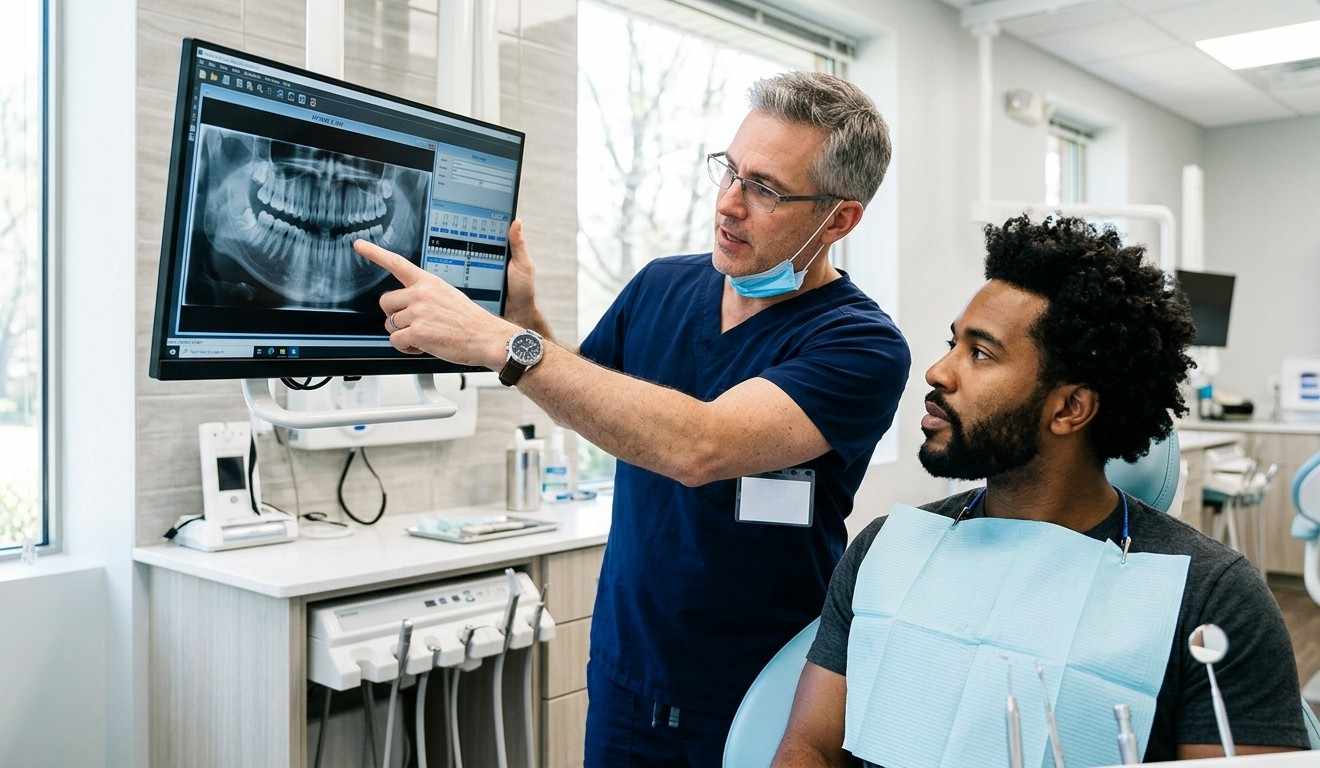
- Digital X-rays to detect hidden issues
- Fluoride treatments to strengthen enamel
- Dental sealants to protect vulnerable tooth surfaces
- Oral cancer screenings for early detection
These services are designed to address potential concerns before they become more complex or require extensive treatment.
Why Regular Dental Visits Make a Difference
Routine dental visits are one of the most important aspects of preventive dentistry. Even when everything feels normal, regular checkups allow dentists to identify subtle changes that may not yet cause noticeable symptoms.
During these visits, dentists can detect:
- Early signs of tooth decay
- Gum inflammation or infection
- Minor cracks or enamel wear
- Changes in bite alignment
- Areas that may need extra attention during home care
Catching these issues early often leads to simpler, more comfortable solutions.
The Role of Professional Cleanings in Prevention
Brushing and flossing at home are essential, but they cannot remove hardened plaque (tartar) that builds up over time. Professional cleanings target these areas and help maintain a healthier oral environment.
Benefits of regular cleanings include:
- Removal of plaque and tartar buildup
- Reduction in gum inflammation
- Prevention of cavities
- Fresher breath and cleaner-feeling teeth
- Early identification of potential problem areas
These cleanings support daily hygiene efforts and help maintain long-term oral stability.
How Preventive Dentistry Supports Gum Health
Gum health is a critical part of preventive dentistry. Healthy gums provide support for teeth and protect the underlying bone structure. When gum issues develop, they can progress gradually and sometimes without obvious symptoms.
Preventive care helps:
- Identify early signs of gum disease
- Reduce inflammation through regular cleaning
- Maintain healthy gum tissue
- Prevent progression to more advanced conditions
Maintaining gum health is essential for preserving both comfort and function.
Preventive Care at Home: What Patients Should Know
Professional care is only part of the equation. Daily habits play an equally important role in maintaining oral health between dental visits.
Effective at-home care includes:
- Brushing twice daily with fluoride toothpaste
- Flossing regularly to clean between teeth
- Limiting sugary and acidic foods
- Drinking water to help rinse away bacteria
- Replacing toothbrushes regularly
Consistency with these habits helps reinforce the benefits of professional preventive care.
Preventive Dentistry for Different Stages of Life
Preventive dental needs can vary depending on age, lifestyle, and oral health conditions. Children, adults, and older patients all benefit from preventive care, but the focus may shift over time.
For example:
- Children may benefit from sealants and fluoride treatments
- Adults may focus on gum health and enamel protection
- Older adults may require monitoring for wear and sensitivity
A personalized approach ensures that preventive care remains effective at every stage of life.
Why Prevention Is Often More Comfortable and Cost-Effective
One of the most practical advantages of preventive dentistry is that it reduces the likelihood of needing complex or urgent treatments. Addressing small concerns early often prevents them from developing into larger, more expensive issues.
Preventive care can help:
- Minimize the need for restorative procedures
- Reduce the risk of dental emergencies
- Support long-term oral stability
- Provide peace of mind through regular monitoring
This proactive approach benefits both comfort and overall dental care experience.
Accessing Preventive Dental Care in Plainfield, NJ
For patients looking to stay ahead of dental problems, Smiling Molar Dental provides comprehensive preventive care tailored to individual needs. Located at 1024 Park Ave Suite 6C, Plainfield, NJ 07060, the practice supports patients from Plainfield (07060), North Plainfield (07062, 07063), South Plainfield (07080), and Scotch Plains (07076) with a focus on early detection, patient education, and long-term oral health.
A Preventive Approach Leads to Healthier Smiles
Preventive dentistry is about more than avoiding problems - it’s about creating a consistent, supportive routine that keeps your smile healthy and strong over time. With regular visits, proper home care, and early attention to small changes, patients can maintain comfort, confidence, and oral health for years to come.
FAQs
The primary goal is to maintain oral health and prevent dental issues before they develop.
Most patients benefit from checkups and cleanings every six months.
Yes, many dental problems develop without noticeable symptoms in the early stages.
Fluoride strengthens enamel and helps reduce the risk of cavities.
Yes, early detection and routine care often prevent the need for more expensive treatments later.

