When Wisdom Teeth Become a Problem: Signs Plainfield, NJ Patients Shouldn't Ignore | Smiling Molar Dental
Introduction
Wisdom teeth often arrive quietly, but when they start causing problems, the discomfort can escalate quickly and interfere with eating, speaking, sleeping, and daily life. Many patients in Plainfield, NJ assume that wisdom tooth pain is something they simply have to tolerate, yet untreated wisdom tooth issues can lead to infections, damage to surrounding teeth, and long-term oral complications. At Smiling Molar Dental, we help patients recognize the early warning signs and provide timely care to protect their oral health.
Why Wisdom Teeth Cause Problems for So Many People
Wisdom teeth are the last set of molars to develop, typically emerging between the late teenage years and mid-twenties. For some people, these teeth come in without causing any issues - but for many others, there simply isn't enough room in the mouth to accommodate them.
When space is limited, wisdom teeth may:
- Become trapped beneath the gums
- Emerge at awkward angles
- Push against neighboring teeth
- Only partially break through the gum tissue
These situations often create the perfect environment for pain, infection, and dental complications to develop.
The Difference Between Normal Discomfort and a Real Problem
It's common to feel mild pressure when wisdom teeth begin to erupt, but persistent or worsening symptoms should never be ignored. The challenge is that many patients dismiss warning signs until the problem becomes severe.
Ongoing discomfort is your body's way of signaling that something isn't right, and early evaluation can often prevent more serious complications later.
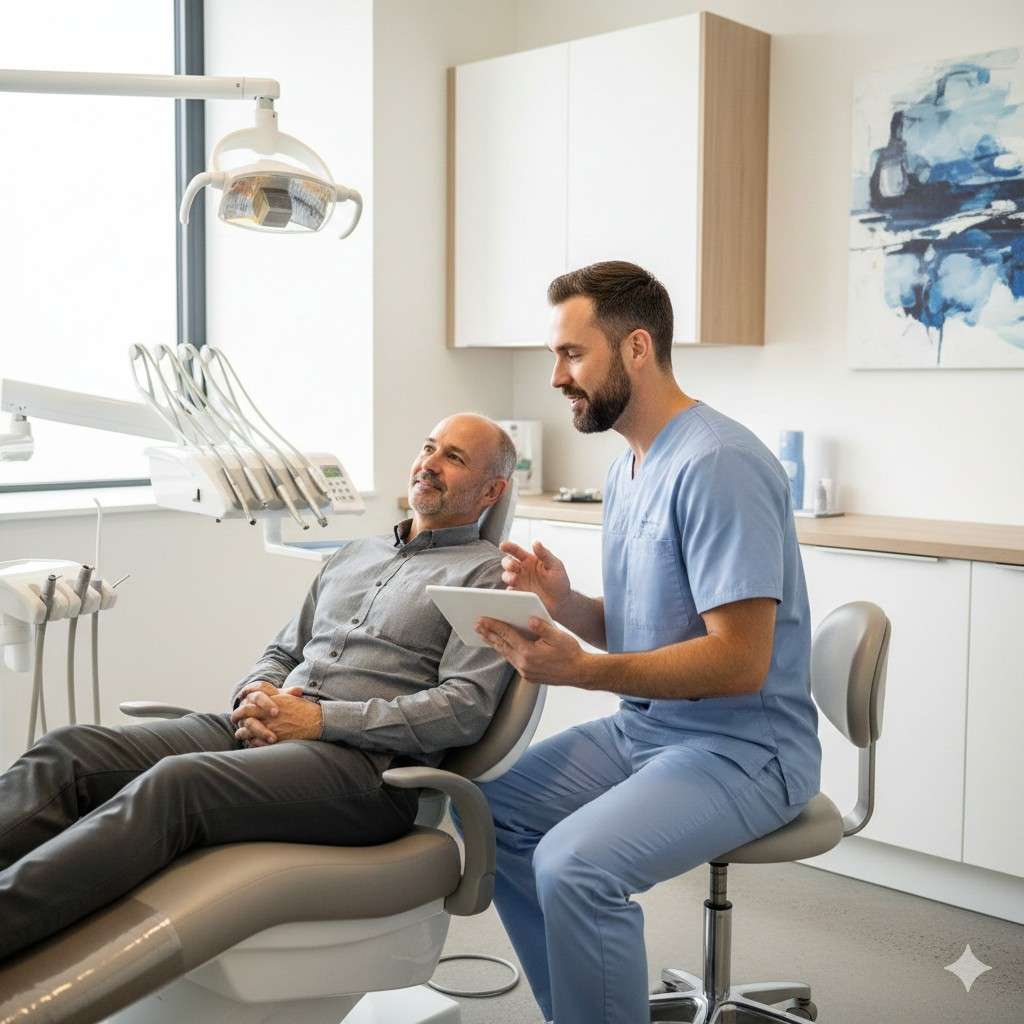
Common Signs Your Wisdom Teeth Need Attention
Problematic wisdom teeth rarely stay silent for long. Paying attention to symptoms can help you seek treatment before damage occurs.
Signs that often indicate wisdom tooth trouble include:
- Persistent pain in the back of the jaw
- Swelling of the gums around back teeth
- Difficulty opening the mouth fully
- Jaw stiffness or soreness
- Bad breath or an unpleasant taste that doesn't go away
- Headaches or ear discomfort near the affected side
These symptoms can appear gradually or suddenly, and they often worsen without professional care.
How Impacted Wisdom Teeth Can Affect Your Whole Mouth
When wisdom teeth are impacted - meaning they are trapped under the gum or bone - they can cause more than just localized pain. The pressure they create can affect surrounding teeth and overall oral health.
Untreated impacted wisdom teeth may lead to:
- Infection in the surrounding gum tissue
- Damage to neighboring molars
- Shifting of teeth and crowding
- Cyst formation around the impacted tooth
- Increased risk of decay in hard-to-clean areas
This is why many dentists recommend proactive monitoring and, in some cases, early removal.
Why Waiting Too Long Can Make Treatment More Difficult
Some patients delay treatment because symptoms come and go, but wisdom tooth problems rarely resolve on their own. In fact, postponing care often allows the issue to progress, which can lead to more complex procedures and longer recovery times.
Early evaluation allows your dentist to:
- Monitor tooth development
- Identify risk before symptoms worsen
- Plan treatment at the right time
- Reduce the likelihood of emergency situations
Addressing wisdom teeth sooner rather than later often leads to a smoother, more predictable experience.
What to Expect During a Wisdom Teeth Evaluation
A wisdom teeth consultation at Smiling Molar Dental begins with a thorough examination and diagnostic imaging to assess the position of the teeth, surrounding structures, and potential risks.
During this visit, we evaluate:
- Whether your wisdom teeth are fully erupted
- The angle and position of each tooth
- Signs of infection or damage
- The health of neighboring teeth and gums
Based on this information, we provide clear recommendations tailored to your individual situation.
Does Everyone Need Their Wisdom Teeth Removed?
Not necessarily. Some patients have enough space for wisdom teeth to come in properly and can keep them without issues. However, because wisdom teeth are harder to clean and more prone to complications, they should be monitored regularly.
Removal is often recommended when:
- Teeth are impacted
- Repeated infections occur
- Pain or swelling is present
- Nearby teeth are at risk
- Oral hygiene becomes difficult
Our goal is always to recommend treatment only when it genuinely supports your long-term oral health.
Why Choosing the Right Dentist Matters for Wisdom Teeth Care
Wisdom tooth concerns can feel stressful, especially when pain is involved. Choosing a dentist who communicates clearly, prioritizes comfort, and provides thoughtful guidance makes a significant difference.
Patients from Plainfield (07060), North Plainfield (07062, 07063), South Plainfield (07080), and Scotch Plains (07076) choose Smiling Molar Dental because we focus on:
- Clear explanations and honest recommendations
- Gentle, patient-centered care
- Careful evaluations using modern technology
- Support before, during, and after treatment
Our commitment is to make the process as smooth and reassuring as possible.
Don't Ignore the Early Warning Signs
Wisdom tooth problems tend to worsen when left untreated, but early action can protect your comfort and your oral health. If you've noticed pain, swelling, or changes in how your back teeth feel, a professional evaluation can provide clarity and peace of mind.
At Smiling Molar Dental, we're proud to offer some of the best dental care in Plainfield, NJ, helping patients stay ahead of problems before they turn into emergencies.
FAQs
Jaw pain that starts near the back molars and worsens with chewing or opening your mouth can often be linked to problematic wisdom teeth.
Yes, pressure and inflammation from wisdom teeth can sometimes radiate to nearby areas, leading to headaches or ear-related discomfort.
Yes, some wisdom teeth remain silent for years, which is why regular dental X-rays are important for monitoring their position.
An untreated infection can spread to surrounding tissues and potentially lead to more serious oral and health complications.
In many cases, earlier removal can be simpler and lead to faster healing compared to waiting until problems become more severe.

